
Clinical Dermatology
Acne, eczema, rosacea, blemishes, moles, hair diseases and hair loss are evaluated dermatologically for correct diagnosis and personalized approach.

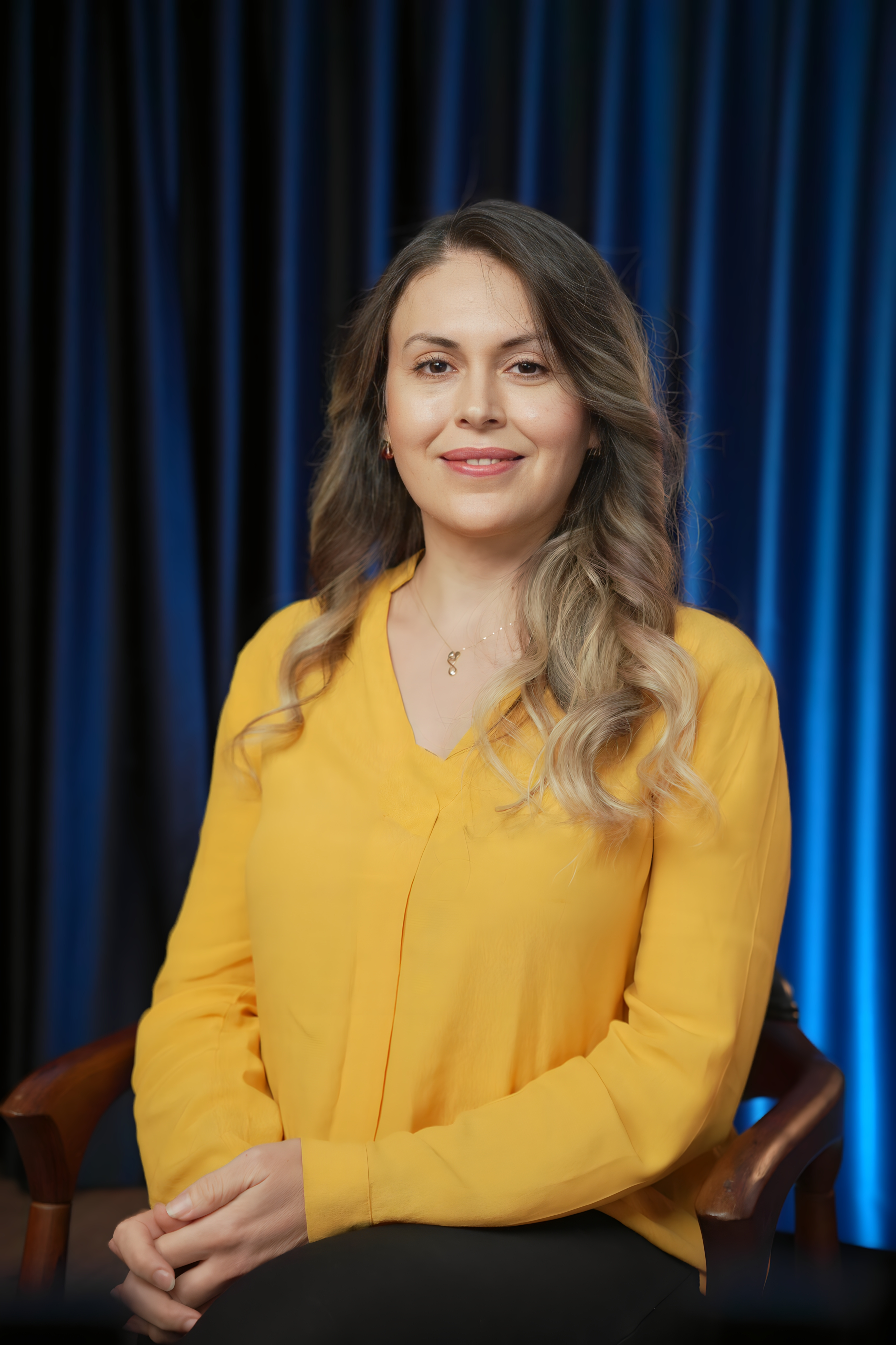
Graduating from the Faculty of Medicine of Akdeniz University in 2012, Specialist Dr. Özlem Helvacıoğlu has worked as a dermatologist at Turkey's leading hospitals and aesthetic clinics.
She completed her compulsory public service at Siirt Community Health Center between 2012 and 2013. She began specialist training in Dermatology and Venereology at Haseki Training and Research Hospital in 2013 and completed it at Bakırköy Dr. Sadi Konuk Training and Research Hospital.
After specialized training, she fulfilled her compulsory service at Gümüşhane State Hospital and Prof. Dr. İlhan Varank Sancaktepe Training and Research Hospital. Afterwards, Dr. Özlem Helvacıoğlu, who worked at Esteworld Plastic Surgery Health Group, now accepts patients at her own clinic.
The professional journey from medical education to the specialization process and current clinic studies.
Acne, eczema, rosacea, blemishes, moles, hair diseases and hair loss are evaluated dermatologically for correct diagnosis and personalized approach.
Skin quality, signs of aging and the general balance of the face are addressed with personalized treatments that preserve the natural appearance.
Laser and device treatments for different needs such as pigmentation, scars, redness, skin texture and firmness are planned individually for each person.
First, the cause of hair loss and scalp problems is determined; then, treatment options suitable for the need are planned.


Evaluate the basic characteristics of your skin quickly with a few short questions.
Discover more about oily, dry, combination or sensitive skin tendencies.
See the care focus for shine, dryness, sensitivity and skin barrier needs.
Use its results as a starting point for more conscious product and daily care choices.

Intense pulsed light technology is planned with the evaluation of a physician for needs such as pigmentation, redness and skin tone unevenness.

Treatment options that support the skin texture, pore appearance and renewal process for scars are evaluated individually.

Microneedle radiofrequency treatment is planned according to the needs for skin quality, firmness and scar appearance.

Focused ultrasound energy is evaluated individually according to the need for tightness in the face and jawline.

Laser treatments for blemish and pigment appearance are planned taking into account the skin type and characteristics of the lesion.
Dermatology is concerned with the evaluation of diseases seen in the skin, hair, nails and mucous membranes. Acne, eczema, psoriasis, rosacea, fungal infections, warts, hair loss, nail changes and moles are among the most common causes of consultation. A definitive evaluation is made with an examination.
Diagnosis begins with the history of the concern and a skin examination. When indicated, additional methods such as dermoscopy, laboratory tests, culture, patch testing or biopsy may be used. The clinician decides which investigations are appropriate after examination.
Persistent or recurrent rash, itching, redness, pain, discharge or wound; sudden or noticeable hair loss; new change in the nail; mole and spots that grow, change color or shape, itch or bleed may require dermatological evaluation.
Acne treatment is planned individually, taking into account the type and severity of the lesions, their location, the risk of scarring, age, the products used and the medical history. Topical or systemic treatments and some procedures can be evaluated together in suitable patients. Regular use and follow-up are important for the result.
The onset, distribution, recurrence pattern and possible triggers are reviewed, followed by a skin examination. Patch testing or other investigations may be requested when indicated. Care and treatment are determined by the type and severity of eczema and the individual’s needs.
The duration and pattern of onset, family history, medical conditions, medication and nutrition are assessed. The scalp and hair shafts are examined, as are the nails when relevant. If indicated, the physician may request blood tests or a scalp biopsy. Treatment is planned according to the cause identified.
A new mole, one that looks different from the others, or one showing asymmetry, an irregular border, multiple colors, growth or change over time should be assessed. A lesion that itches, bleeds or does not heal also warrants prompt dermatology review.
Changes in color, shape or thickness; separation of the nail from its bed, pain or swelling around it and a new dark line can occur for different reasons. Since fungus, psoriasis, trauma and some systemic diseases can look similar, a correct diagnosis is needed before treatment.
Treatment selection is made by evaluating the person's expectations, skin structure, existing skin diseases, general health status, medications used and previous procedures together. Possible benefits, limitations, alternatives and the healing process should be discussed during the examination.


 +90 (532) 677 88 56
 dr@ozlemhelvacioglu.com